


The Legacy Journal Fashion
Cotton vs piqué polo shirts: which should you buy?
Cotton jersey, pique or fine-gauge knit? What each polo fabric does, which suits summer heat, smart casual and everyday wear, and how to choose.
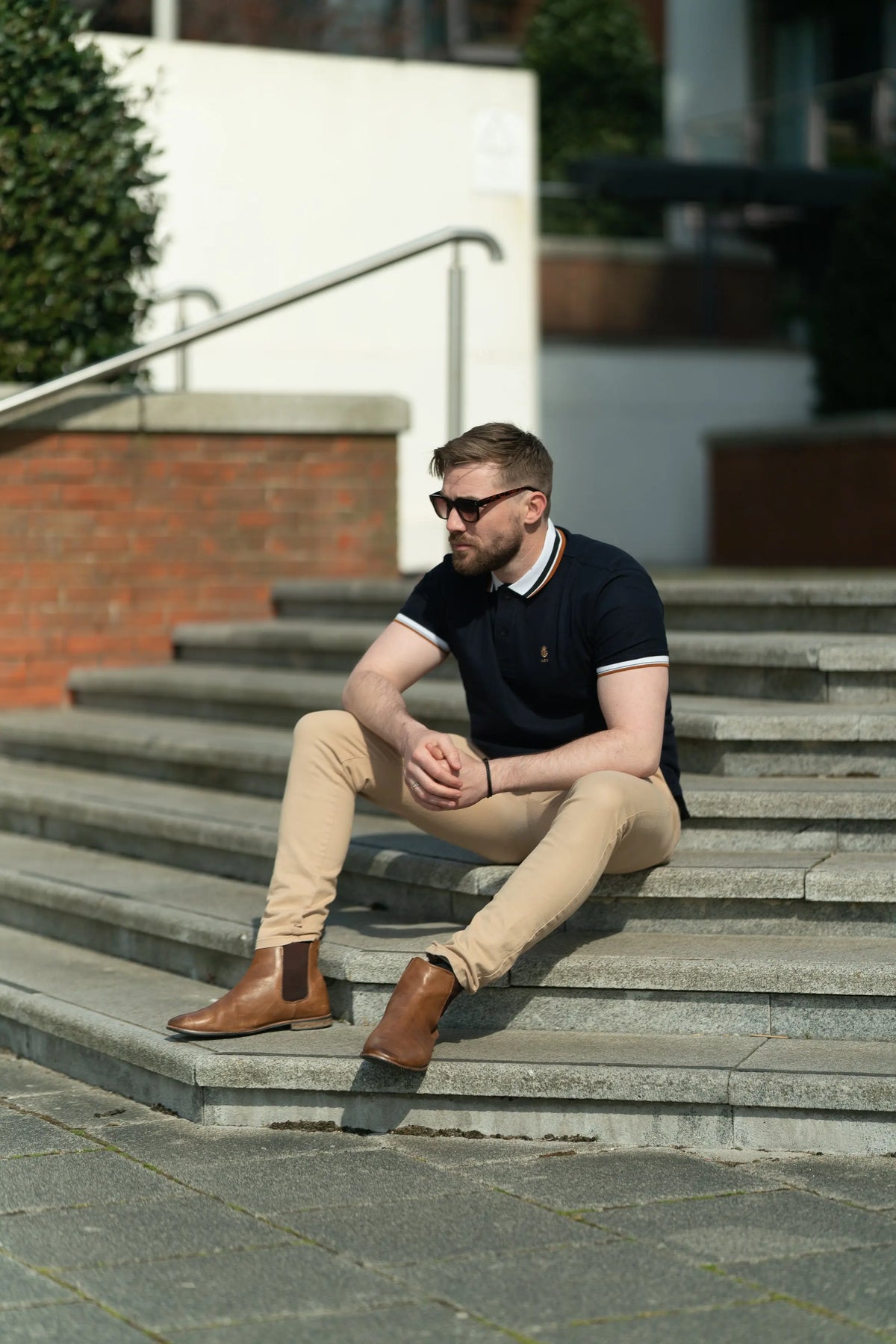
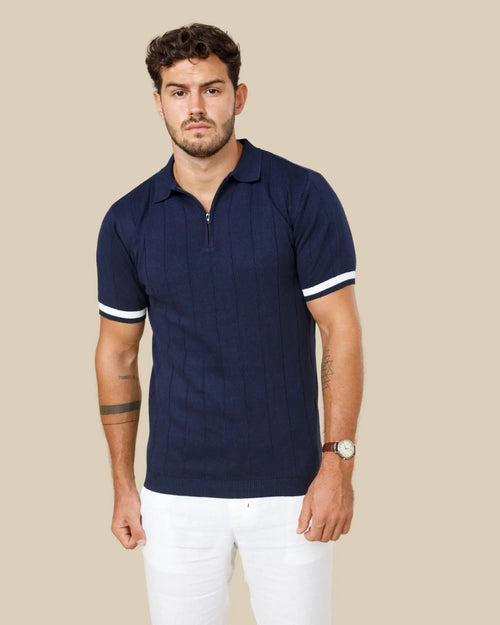
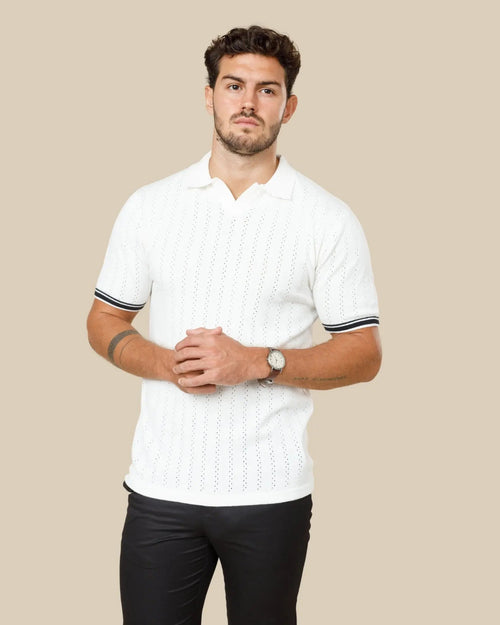
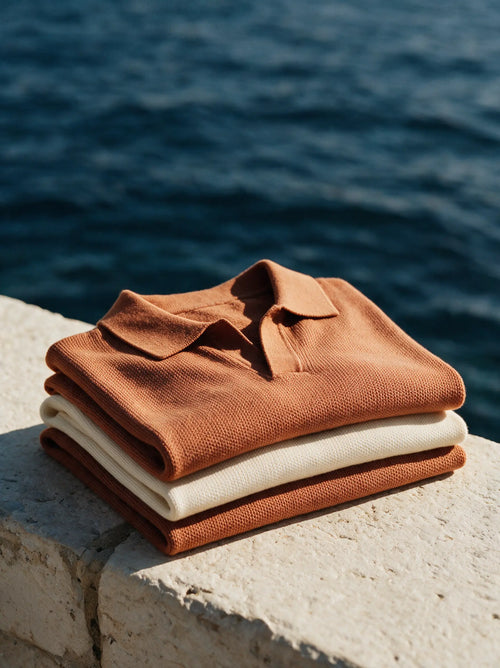
The pieces in this guide.
Knitted in Sri Lanka since 1997.
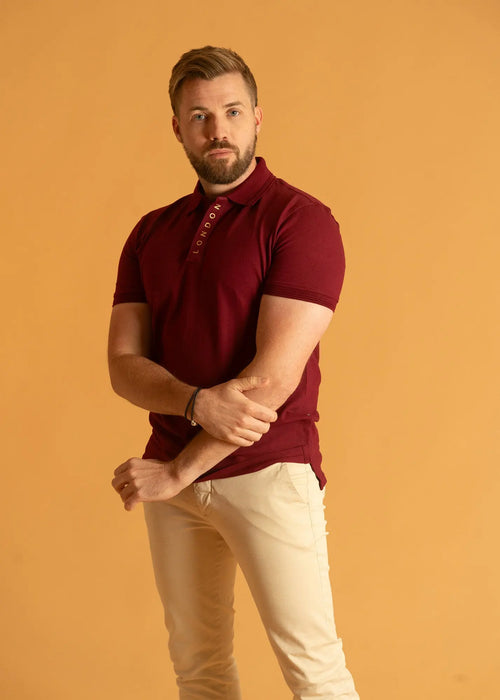
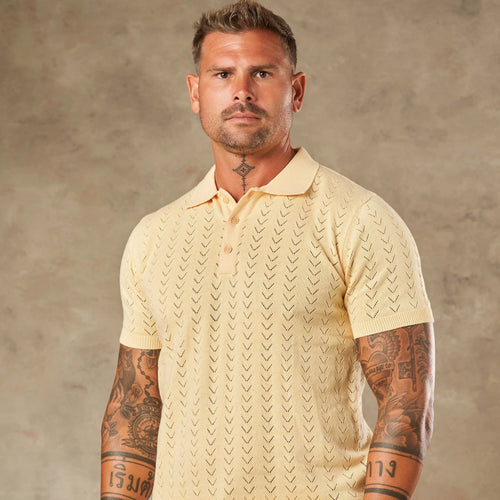
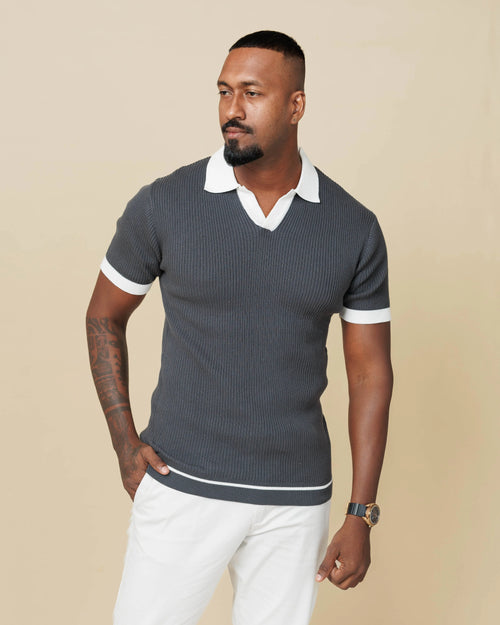
What is a piqué polo shirt?
A piqué polo is a polo shirt cut from piqué: a woven-look knit with a raised, waffle-like texture. The textured surface traps air, which makes piqué breathable and quick to recover from creasing, and it hides sweat better than flat jersey. It is the classic tennis-polo fabric, sportier in character than the smooth fine-gauge surface of a knitted polo. If you are choosing between the two, the rest of this guide breaks down how piqué and other cottons compare.
A brief history of the polo shirt
You can read the split between the two fabrics more easily once you know where the polo shirt came from. The polo shirt, as we know it today, was first introduced by tennis legend René Lacoste in the 1920s. But it was Ralph Lauren who popularized the polo shirt, making it a staple in men’s fashion.
Over the years, several brands have put their spin on this iconic wardrobe piece. British icons like Fred Perry have made their mark on the polo shirt, while luxury brands such as Sunspel and Boss have brought the polo shirt to a new level of refinement with their high-quality materials and expert craftsmanship.
The polo shirt in more detail
As we explore the origins of the polo shirt, it's essential to recognize the various influences that have shaped its evolution. The polo shirt has come a long way from its humble beginnings on the tennis court to become a classic staple in men's fashion worldwide.
From tennis courts to polo fields
Although the polo shirt is often associated with the sport of polo, its roots actually lie in tennis. In the early 20th century, tennis players typically wore uncomfortable, long-sleeved shirts and trousers. René Lacoste, a French tennis legend, decided to revolutionize tennis attire by introducing a short-sleeved, breathable shirt with a soft collar, designed to provide players with greater comfort and ease of movement. Thus, the polo shirt, originally known as the "tennis shirt," was born.
It didn't take long for the polo shirt to catch the attention of polo players, who soon adopted the comfortable garment as part of their sportswear. The name "polo shirt" took hold, and its association with the sport of polo was solidified.
Ralph Lauren and the rise of the polo shirt
While René Lacoste's design laid the groundwork for the polo shirt, it was American fashion designer Ralph Lauren who catapulted the garment into mainstream fashion. In 1972, Lauren introduced his Polo line, featuring the now-iconic polo shirt with a small embroidered polo player logo. The Polo Ralph Lauren brand transformed the polo shirt from a niche sportswear item to a symbol of preppy style and a must-have wardrobe staple for men worldwide.
The brands that shaped the polo shirt
Over the years, numerous brands have made their mark on the polo shirt, each adding their unique touch to this adaptable garment. Here are a few noteworthy examples:
-
Fred Perry: British tennis player Fred Perry first introduced his signature polo shirt in the 1950s. The Fred Perry polo, featuring a distinctive laurel wreath logo, has since become synonymous with British subcultures, from mods to indie rockers.
-
Sunspel: With a focus on luxury, Sunspel has crafted high-quality polo shirts using quality materials and considered knitting techniques. Their polos have been a favorite of style icons like James Bond, showcasing the brand's lasting elegance and sophistication.
-
Boss: German fashion powerhouse Boss has taken the polo shirt to new heights with their four-season Virgin Wool polo shirts, demonstrating the garment's range across different climates and occasions.
-
Lacoste: Returning to its roots, Lacoste has maintained a strong presence in the world of polo shirts. Their iconic crocodile logo, inspired by René Lacoste's nickname, "The Crocodile," continues to represent the brand's dedication to comfort, style, and innovation in sportswear.
Tennis court, polo field and runway: that mix is why the polo still works at a bar and in an office. From tennis courts to polo fields and high-fashion runways, the polo shirt has evolved to become a lasting classic that outlives trends and continues to redefine men's fashion.
Cotton polos: a soft, lasting classic
Cotton polos have been a go-to choice for men for decades. There’s a good reason for that - they're comfortable, adaptable, and easy to maintain. Let’s break down the benefits of cotton polo shirts:
Breathability : Cotton is a natural fiber, which allows for excellent air circulation, keeping you cool and comfortable even on the hottest days. Take our Placket Detail Polo Shirt: premium cotton with a soft, breathable handle, in six colours from S to XL.
Softness : Cotton polos are known for their soft and smooth texture, providing a comfortable fit that’s perfect for casual events or lounging at home.
Easy maintenance : Cotton polo shirts are generally low-maintenance, as they can be machine washed without losing their shape or color.
Piqué polos: texture instead of a print
If you’re looking for a bit more texture in your polo shirt, piqué polos are the way to go. Piqué is a type of weaving technique that creates a textured, waffle-like pattern on the fabric. This unique texture sets piqué polos apart from their cotton counterparts. Here are some advantages of piqué polo shirts:
Durability: The textured weave of piqué fabric is less prone to wrinkling and provides a more structured appearance, making it a great option for a more polished look. Our own range leans towards fine-gauge and jacquard knits rather than classic piqué, so the texture comes from the knit structure instead of the weave. You can see the difference across men's polo shirts.
Moisture-wicking: Piqué polos are known for their moisture-wicking properties, making them ideal for hotter temperatures or outdoor activities.
Range: Piqué polo shirts can easily be dressed up or down, making them suitable for a variety of occasions.
Which one should you buy?
Three things decide it: climate, occasion and what you like against the skin.
- Climate: If you live in a hot and humid environment, a cotton polo shirt may be the better option due to its breathability and moisture-wicking capabilities. On the other hand, if you’re in a cooler climate or need a more structured look, a piqué polo shirt might be the better choice.
- Occasion: Consider the event or setting you’ll be wearing the polo shirt in. For casual outings, a classic cotton polo shirt might be more suitable. However, if you’re attending a semi-formal event or need a more polished look for work, a piqué polo shirt could be the way to go.
- Style preferences: Ultimately, your personal style preferences will play a significant role in your decision. If you prefer a softer, smoother texture, cotton polo shirts are an excellent choice. But if you’re drawn to the unique texture of piqué fabric, then a piqué polo is the one to reach for.
How our polos compare
Sunspel, Boss and the rest of the premium polo field each answer the fabric question differently.
Legacy London has designed in Britain and knitted in Sri Lanka since 1997. We work in cotton and cotton-rich knits rather than woven piqué, and we knit the texture in rather than weave it: the chevron on the Sorrento Chevron Knit Polo, the heavy rib on the Contrast Knit Johnny Collar Polo in 100% combed cotton. We leave the chest bare, which is the main reason we cost less than the designer names above.
To browse by mood instead of fabric: Art of Summer for warm-weather colour, Adventure Meets Heritage for the heavier textures, Curated Essentials for the plain ones you will wear most.
Frequently asked questions
What is a piqué polo shirt?
A piqué polo is made using a weaving technique that creates a textured, waffle-like pattern in the fabric. This gives the shirt a more structured appearance than a smooth cotton polo, along with good durability and moisture-wicking properties.
What is the difference between a piqué polo and a regular cotton polo?
A regular cotton polo has a smooth, soft surface and is prized for breathability and comfort. A piqué polo has a raised waffle texture that resists wrinkling and holds its shape, giving a more polished look.
What is cotton piqué?
Cotton piqué is cotton fabric made with the piqué weave: the textured, waffle-like pattern that distinguishes piqué polos from smooth-knit cotton polos. It combines the natural breathability of cotton with added structure and durability.
Are piqué polos more formal than cotton polos?
Piqué polos tend to look more structured, which suits semi-formal occasions and professional settings. Both styles can be dressed up or down, and a well-fitted polo of either fabric works neatly under a blazer.
Which polo is better for hot weather?
Both work well in warm weather. Smooth cotton is the more breathable choice for hot, humid climates, while piqué's moisture-wicking weave makes it well suited to outdoor activity and higher temperatures.
What size polo should I buy?
Check the measured chest and length on our size guide rather than ordering your usual size. Our cuts run close to the body, so many customers size up.