



The Legacy Journal Cotton
Sea Island cotton explained
The rarest cotton in the world, why it costs so much, and how to tell a genuine Sea Island garment from a marketing claim.
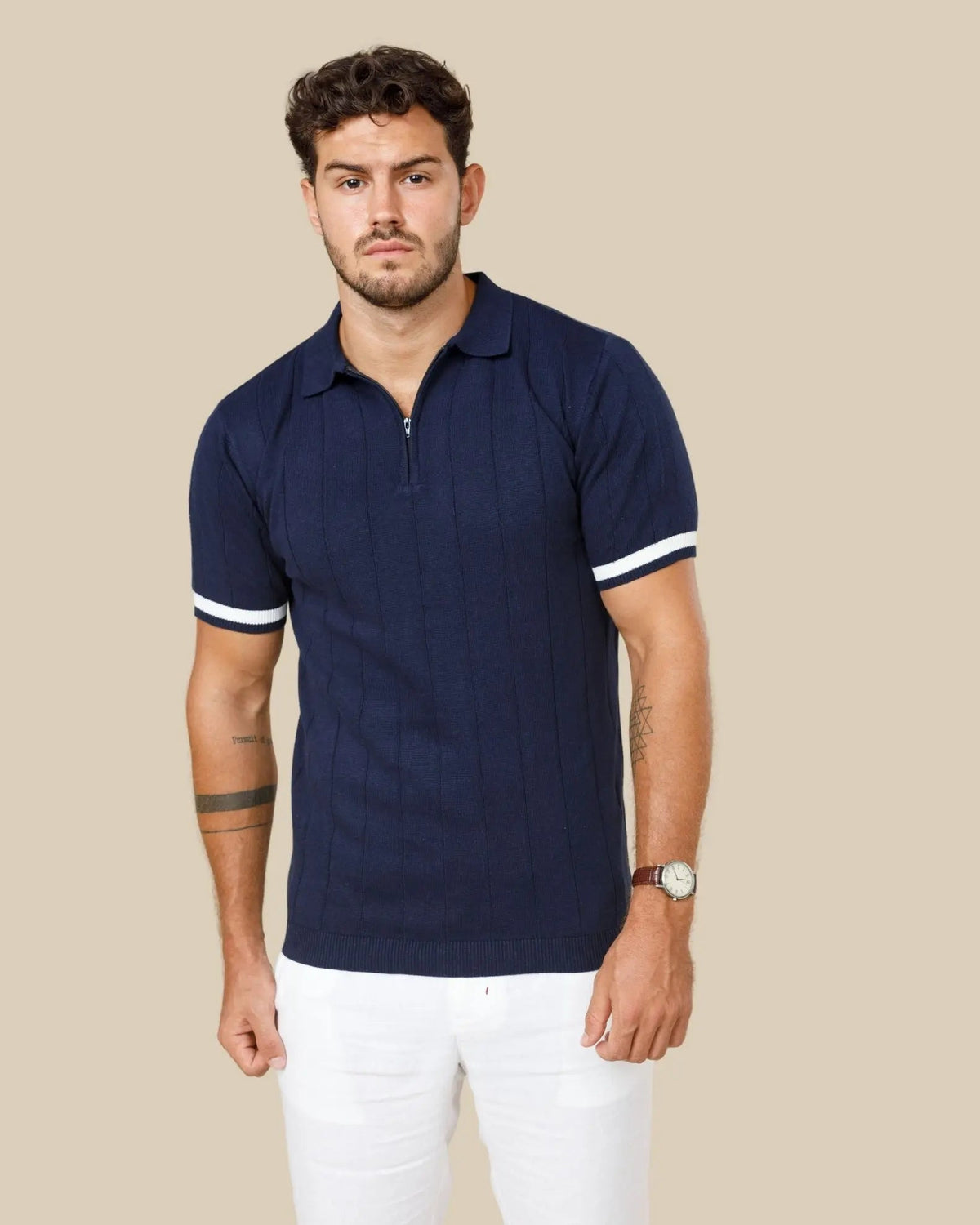
The pieces in this guide.
Knitted in Sri Lanka since 1997.
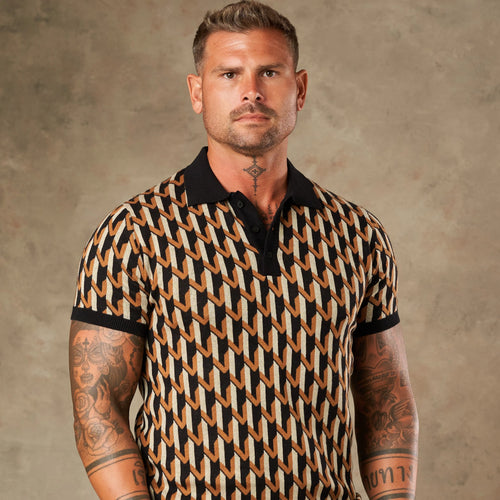
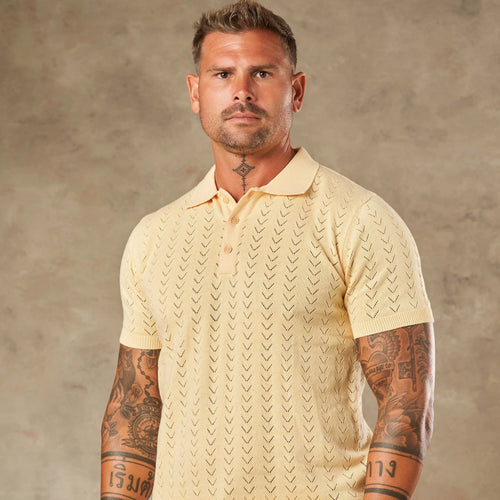
Sea Island cotton is the rarest and most prized cotton in the world: an extra-long staple variety of Gossypium barbadense grown in the West Indies, where the Caribbean climate produces fibres of exceptional length, fineness and silkiness. Yarn spun from it makes fabric with a soft lustre and a hand closer to silk than to ordinary cotton, which is why it has dressed royalty and row upon row of Savile Row shirtmakers since the eighteenth century.
The name gets borrowed a lot, so it pays to know what the term means, what the fibre actually does and how it relates to the long-staple cottons used in fine knitwear today.
What makes Sea Island cotton different
Staple length. Ordinary upland cotton fibres are short; extra-long staple varieties like Sea Island produce fibres long enough to spin into very fine, very strong yarn with fewer exposed fibre ends. Fewer ends mean less fuzz, more lustre and a smoother surface that improves with washing rather than roughening. The same species family gives us Egyptian Giza and American Pima cotton; Sea Island is the Caribbean-grown branch, and genuine supply is tiny.
Sea Island vs Egyptian vs Pima
All three are extra-long staple cottons from the same species, separated by where and how they are grown. Egyptian Giza comes from the Nile Delta, Pima mostly from the Americas, Sea Island from Barbados, Jamaica and neighbouring islands. Quality overlaps more than marketing admits: a top-grade Giza or Pima outperforms a poorly handled Sea Island crop. Treat the label as a starting point and judge the fabric in your hand.
How to spot the genuine article
Real Sea Island cotton is certified by the West Indian Sea Island Cotton Association and commands prices to match its scarcity. If a garment claims it at a high-street price, it almost certainly is not. Look for the certification, the price and the maker's willingness to name the source.
Does staple length matter for knitwear?
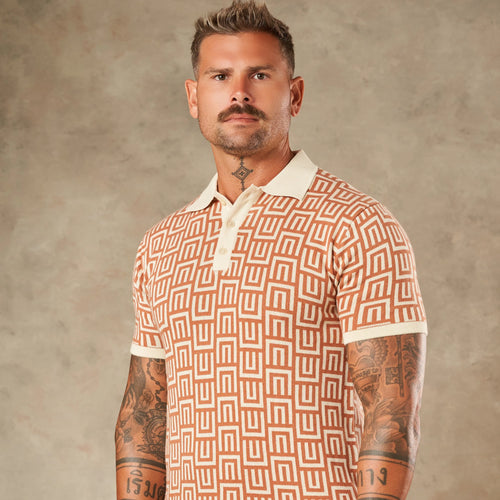
More than almost anything else. Long-staple fibre is what lets a knitter produce a fine-gauge fabric that stays smooth, holds its shape and resists bobbling. Our own knitted polos are made from 100% cotton in Sri Lanka. Our pure cotton collection shows what the fibre does in practice.
Frequently asked questions
Why is Sea Island cotton so expensive?
Scarcity and handling. The crop is small, grown on a handful of islands, often hand-harvested, and the certified supply is a fraction of world cotton production.
Is Sea Island cotton better than Egyptian cotton?
They are close relatives. Sea Island is rarer; top grades of both feel remarkably similar. Provenance and processing matter more than the name on the label.
What does Sea Island cotton feel like?
Silky, cool and dense, with a soft sheen. The surface stays smooth through repeated washing, which is the practical difference from ordinary cotton.
See our own cotton knits: our bestsellers and jumpers.