



The Legacy Journal History of polo shirt
The history of the polo shirt: from Lacoste to Ralph Lauren
How the Lacoste tennis shirt became the polo we wear today, what pique fabric actually does, and how to style, size and care for one.

The pieces in this guide.
Knitted in Sri Lanka since 1997.
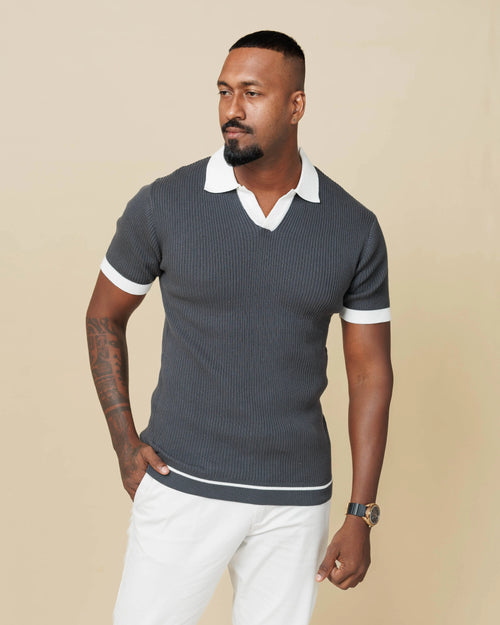
Who invented the polo shirt? René Lacoste, the French tennis champion, who wore a short-sleeved shirt in knitted piqué cotton at the 1926 U.S. Championships. The story starts earlier, with a collar idea Brooks Brothers took from British polo players in 1896, and the name only stuck once polo players adopted Lacoste's tennis shirt and Ralph Lauren put "Polo" on it in 1972.
This guide follows the history of the polo shirt in order: the polo field, the tennis court, the crocodile, the name and the fabric. At Legacy London we make men's knitted polo shirts, a close relative of Lacoste's piqué original.
Article outline
- What Is a Pique Polo?
- What is the Real History of the Pique Polo Shirt?
- How Did a Crocodile End Up on a Tennis Shirt?
- How Did the Tennis Shirt Get the 'Polo' Name?
- What Is Pique Fabric and Why Is It Special?
- Pique vs. Jersey: Which Polo Shirt Fabric Is Better?
- How Is a Modern-Day Pique Polo Made?
- What Are the Main Benefits of Pique Polo Shirts?
- Styling Tips: When Should You Wear a Pique Polo?
- How Do I Care for My Pique Polo Shirts?
- What Are the Common Pique Polo Variations?
- FAQs About Pique Polos
What is a pique polo?
A pique polo is a knitted casual shirt characterised by a ribbed collar and a two- or three-button placket. Its defining characteristic is the use of pique fabric, a textured knit that typically has a geometric, waffle, or honeycomb-like pattern. This structure makes the shirt highly breathable, durable, and excellent at concealing perspiration, setting it apart from flatter jersey-knit polo shirts. For the full definition and how piqué compares with plain cotton, see what is a piqué polo shirt.
|
Feature |
Description |
|
Name |
Pique Polo Shirt |
|
Fabric |
Pique (also known as Marcella) |
|
Weave |
Textured, geometric knit (e.g., waffle, honeycomb) |
|
Key Features |
Ribbed collar, buttoned placket, short sleeves |
|
Primary Benefit |
Breathable, durable, and has a structured drape |
What is the real history of the pique polo shirt?
The story of the polo shirt is a fascinating journey that begins not on a tennis court, but on the polo fields of Manipur, India, in the 19th century. British soldiers stationed there adopted the sport of polo and its traditional attire, which included a long-sleeved cotton shirt. To prevent their collars from flapping during a match, players would pin them to their shirts. This practical innovation caught the eye of John E. Brooks of the American haberdashery Brooks Brothers. During a trip to England in 1896, he noticed the button-down shirt collar on polo players and brought the idea back to the United States, where he launched the first button-down shirt in 1896. This was the original "polo shirt," though it bore little resemblance to the modern-day polo.
The garment we recognise today as the pique polo shirt was born from the world of tennis. In the 1920s, tennis attire was cumbersome and impractical, consisting of long-sleeved woven shirts and long flannel trousers, sometimes worn with a tie. French tennis superstar René Lacoste, nicknamed "The Crocodile" for his tenacity, found these outfits restrictive. He sought a more comfortable alternative and designed a revolutionary short-sleeve shirt made from breathable, flexible knitted pique cotton. This innovative tennis shirt featured a soft collar that could be turned up to protect the neck from the sun, a buttoned placket, and a longer shirttail in the back (a "tennis tail") to keep it tucked in during play.
Lacoste wore his creation for the first time at the 1926 U.S. Championships, the tournament now called the US Open, and the comfortable, functional design was an instant success. It offered a level of freedom and performance that the old long-sleeved shirts simply couldn't match. This marked the true birth of the modern sports shirt and laid the groundwork for the history of the polo shirt as we know it.
How did a crocodile end up on a tennis shirt?
The story behind the famous crocodile logo is as innovative as the shirt itself. It is widely credited as being the first time a brand logo was placed on the exterior of a garment. The nickname "The Crocodile" was given to René Lacoste by the American press in 1923 after he supposedly made a bet with the French Davis Cup captain over a crocodile-skin suitcase. Lacoste embraced the moniker, which he felt represented his fierce playing style.
A friend of his, Robert George, drew the iconic crocodile, which René Lacoste had embroidered onto the blazers he wore before his matches. When he began producing his revolutionary tennis shirt for the masses in 1933, he made a groundbreaking decision. Lacoste teamed up with André Gillier, a leading French knitwear manufacturer, to form the company Chemise Lacoste. They began to mass-produce his white polo shirt, and each one featured the small, embroidered crocodile on the chest.
This small detail was a stroke of marketing genius. Before this, brand names were hidden away on labels inside the collar. The Lacoste shirts made the brand visible and aspirational. Wearing the crocodile meant you were part of a new, modern approach to sportswear. The Lacoste polo shirt quickly became a status symbol both on and off the court, and the crocodile remains one of the most recognisable logos in the world, forever associated with polo shirts.
How did the tennis shirt get the 'polo' name?
While René Lacoste invented the shirt for tennis, its name became inextricably linked with the sport of polo. After its introduction, Lacoste’s tennis shirt was quickly adopted by polo players who found it far superior to their traditional thick, long-sleeved shirts. The breathability of the pique knit and the comfort of the soft collar were perfectly suited for the rigours of a polo match. As the shirt became ubiquitous on the polo field, the public began to refer to it as a "polo shirt."
The name was permanently cemented in the fashion lexicon by another visionary: Ralph Lauren. Ralph Lauren had started his Polo label with neckties in 1967, and in 1972 he added a short-sleeved piqué shirt with a small embroidered polo player on the chest. Ralph Lauren marketed the shirt not just as sportswear but as a cornerstone of an aspirational, preppy lifestyle. His version came in a wide array of colours, a stark contrast to the traditional white polo shirt that dominated the market.
Polo Ralph Lauren's masterful branding associated the shirt with the elegance and heritage of the sport of polo, capturing an aesthetic of old-money leisure. Although Lacoste invented the garment, it was Ralph Lauren who truly popularised the "polo shirt" name, turning it into a global phenomenon. Today, both Ralph Lauren and Lacoste are titans of the polo shirt market, each with a rich history tied to this iconic shirt. At Legacy London, we continue this tradition with our heritage lines and Curated Essentials, offering polo shirts that draw on both adventure and heritage.
What is pique fabric and why is it special?
Pique, pronounced "pee-kay," is a type of knit fabric characterised by its textured, geometric pattern. Unlike the flat surface of a jersey knit, pique fabric has a raised, three-dimensional surface, often resembling a honeycomb, waffle, or bird's-eye pattern. This texture is created using a special weaving technique on a knitting machine that involves raised parallel cords or ribbing.
The fabric was originally developed in the 18th century in Lancashire, England, as a method for weaving a double cloth with an enclosed cording weft. It was initially used for imitation hand-quilting and even for formal wear like white ties, as its structure lent itself well to holding starch and remaining stiff, similar to a dress shirt. For the modern polo shirt, however, a knitted pique cotton is used.
This knitted pique cotton is what gives the classic polo shirt its signature body and feel. The open, textured weave creates small, porous pockets that allow air to circulate freely, making it exceptionally breathable. The structure also gives the shirt a certain heft and drape that is more flattering on many body types compared to the clingier jersey fabric. It’s a perfect marriage of comfort, durability, and visual interest.
Pique vs. jersey: which polo shirt fabric is better?
When choosing the perfect polo, the fabric is a big part of the decision. The two most common options are pique and jersey, and each offers distinct advantages. We cover this in more depth in our cotton vs pique polo shirt guide.
|
Feature |
Pique Polo |
Jersey Polo |
|
Texture |
Textured, honeycomb or waffle-like knit. Hides perspiration well. |
Smooth, flat, and soft surface, similar to a T-shirt. |
|
Breathability |
Excellent. The open weave allows for maximum airflow, making it ideal for warm weather. |
Good. Generally breathable, but less airy than the textured pique knit. |
|
Durability |
Very durable. The thicker, double-weave structure holds its shape well and resists tearing. |
Less durable. The finer knit is more prone to stretching, pilling, and losing shape over time. |
|
Stretch |
Moderate stretch. Offers comfort and movement but maintains a structured look. |
Very stretchy. Provides excellent flexibility but can cling to the body. |
|
Best For |
Smart-casual looks, warm climates, active use, and achieving a classic, structured silhouette. |
Very casual settings, layering, and those who prefer a softer, T-shirt-like feel. |
For a quality polo shirt that will last for years and maintain a sharp, structured appearance, pique is often considered the superior choice. Its breathability and durability are unmatched, making it the original and arguably the best polo shirt fabric. A jersey polo offers a softer, more relaxed feel but often lacks the polished look and longevity of a good quality polo made from pique knit.
How is a modern-day pique polo shirt made?
The creation of a modern-day pique polo shirt is a multi-step process that combines precision knitting with skilled craftsmanship. It begins with sourcing high-quality cotton yarn, which matters for creating a durable, comfortable garment. This yarn is then fed into a circular knitting machine programmed to create the specific pique knit structure, whether a waffle, honeycomb, or other geometric pattern.
Once large rolls of the knitted pique cotton fabric are produced, they are dyed in various colours. The fabric is then washed and finished to control for shrinkage and to soften the texture. Next, the fabric is laid out on large cutting tables. Patterns for the different parts of the shirt, the front, back, sleeves, and collar, are used to cut the pieces with precision. The collar is often a separate, more tightly ribbed knit to give it stability.
From there, the pieces are sent to be assembled. Skilled operators sew the shoulder seams, attach the sleeves, and join the side seams. One of the most critical steps is constructing and attaching the placket and collar, as this is the focal point of the shirt. Buttonholes are stitched, and buttons are securely attached. Finally, if there is a logo, it will be meticulously embroidered onto the chest. The finished garment undergoes a final quality inspection, is pressed, folded, and packaged, ready to become a staple in someone's wardrobe.
What are the main benefits of pique polo shirts?
The enduring popularity of the pique polo shirt isn't just due to its history; it's rooted in a set of tangible benefits that make it a superior choice for a variety of occasions. The unique structure of the pique knit is the source of its key advantages.
First and foremost is breathability. The three-dimensional weave creates a pocket of air between the shirt and the skin, allowing for excellent air circulation. This makes pique polo shirts incredibly comfortable to wear in warm and humid weather, wicking moisture away and keeping the wearer cool and dry. This functional quality is what led René Lacoste to choose it for his tennis shirt in the first place.
Durability is another significant benefit. The double-knit construction of pique fabric makes it inherently stronger and more substantial than single-knit fabrics like jersey. A quality polo shirt made from pique will hold its shape better over time, resist pilling, and withstand frequent washing. Finally, the texture itself is a major benefit. It adds a touch of visual sophistication, and its structure helps it drape cleanly over the body rather than clinging. This textured surface is also fantastic at concealing sweat, ensuring you look polished even when the temperature rises.
Styling tips: when should you wear a pique polo?
The pique polo shirt is one of the most adaptable items a person can own, bridging the gap between overly casual and too formal with ease. It’s the ultimate smart-casual weapon. For a classic and foolproof look, pair a white polo shirt or a navy one with well-fitting chinos or dark denim. This creates a clean, sharp silhouette that works for everything from a weekend brunch to a casual Friday at the office.
In the summer, the pique polo truly shines. Pair it with tailored shorts and loafers or clean white trainers for a look that is relaxed yet put-together, perfect for garden parties, barbecues, or a day by the coast. The collared shirt nature of the polo makes it inherently smarter than a T-shirt, allowing you to stay cool without sacrificing style. It can even be layered under a lightweight blazer or sport coat for a more dressed-up evening look, offering a modern alternative to the traditional button-down shirt.
The key to styling a pique polo is the fit. A good fit polo should be snug across the chest and shoulders but not tight, and the sleeves should end around the mid-bicep. The hem should fall just below the waistline, allowing it to be worn tucked or untucked. Avoid overly baggy polo shirts, as they can look sloppy and undo the sharp, classic aesthetic the shirt is known for.
How do I care for my pique polo shirts?
Proper care extends the life of your pique polo shirts and keeps them looking their best. Because most pique polo shirts are made from 100% cotton or a cotton blend, they are prone to shrinking if not cared for correctly. Always check the care label first, but a few general rules apply.
Wash cool on a gentle cycle, inside out, with the placket unbuttoned and with similar colours. Skip the tumble dryer and dry the shirt flat, away from direct sun and radiators; heat is what shrinks cotton. The same rules apply to a knitted polo, and our knitwear care guide covers washing, drying and storage step by step.
What are the common pique polo variations?
While the classic short-sleeve pique polo shirt remains the most popular, several variations have emerged to suit different styles and needs. The long-sleeve pique polo is a fantastic option for transitional weather in the autumn and spring. It offers the same comfort and textured style as its short-sleeve counterpart but with added warmth, serving as a smart alternative to a casual button-down shirt.
Fit is another area of variation. In addition to the classic fit, many brands now offer a slim-fit polo. This version is cut closer to the body with higher armholes for a more modern, tailored silhouette. It's an excellent choice for those with a slender build who want to avoid the boxiness of a classic cut.
Finally, fabric blends offer further options. Stretch pique polos incorporate a small amount of elastane or spandex into the cotton blend. This enhances flexibility and comfort, making the shirt even better for active pursuits like golf. These modern variations ensure that the pique polo shirt remains relevant and adaptable to contemporary tastes.
FAQs about pique polos
Who invented the polo shirt?
René Lacoste, the French tennis player, designed the short-sleeved shirt in knitted piqué cotton and first wore it at the 1926 U.S. Championships. In 1933 he and the knitwear maker André Gillier began making it for sale, with the embroidered crocodile on the chest.
Where did the polo shirt originate?
The shirt itself came from French tennis in the 1920s. The name came from the sport of polo: players in the 19th century buttoned down their collars, which inspired the Brooks Brothers button-down of 1896, and later polo players took up Lacoste's knitted tennis shirt.
What were polo shirts originally called?
Lacoste's design was a tennis shirt. Before it existed, "polo shirt" meant a long-sleeved shirt with a button-down collar. The knitted tennis shirt took the polo name once polo players wore it, and Ralph Lauren fixed the name in place from 1972.
Is pique better than jersey?
For durability, breathability, and a more structured, formal look, pique is generally considered better. Its textured weave holds its shape well and is excellent for warm weather. Jersey is softer and stretchier, offering a more casual, T-shirt-like comfort. See our full cotton vs piqué comparison for how each performs day to day.
Do pique polos shrink?
Yes, because they are typically made from cotton, pique polo shirts can shrink, especially if washed in hot water and dried on high heat. To minimise shrinking, wash cool, skip the tumble dryer and dry the shirt flat.
Can you wear a tie with a polo shirt?
Generally, no. The soft, unstarched collar of a polo shirt is not designed to support a tie. Attempting to wear a shirt and tie with a polo creates an incongruous look. For a more formal style, it's better to layer the polo under a blazer.
What is the difference between a polo shirt and a golf shirt?
The terms are often used interchangeably, but traditionally, polo shirts were made from cotton pique. Modern golf shirts are often made from synthetic performance blends (like polyester) designed for maximum moisture-wicking and stretch during athletic activity. However, many golfers still prefer the classic look and feel of a pique cotton polo.
Key takeaways to remember
- The modern pique polo shirt was invented by tennis player René Lacoste in the 1920s as a comfortable alternative to formal tennis whites.
- The name "polo shirt" came from the sport of polo, whose players adopted Lacoste's design. The name was later popularised by Ralph Lauren.
- Pique fabric is a textured knit with a geometric pattern that is highly breathable, durable, and excellent at concealing perspiration.
- Compared to jersey, pique is more structured, holds its shape better, and is generally considered the superior choice for a classic, smart-casual look.
- To care for your pique polo, wash it cool and dry it flat, away from heat, to prevent shrinking.
- The pique polo is an adaptable wardrobe staple that can be styled for casual, smart-casual, and summer events, pairing well with everything from shorts to blazers.
- Pique polo shirts offer superior breathability, moisture-wicking properties, and shape retention compared to other polo shirt fabrics.
- The textured surface of pique fabric helps conceal perspiration while maintaining a structured, polished appearance throughout the day.
- Modern pique polo variations include stretch blends, long-sleeve options, and contemporary fits to suit every style preference and occasion.
- Quality pique polo shirts represent good value, offering durability and a style that holds up over years of wear.
Where Legacy London fits in
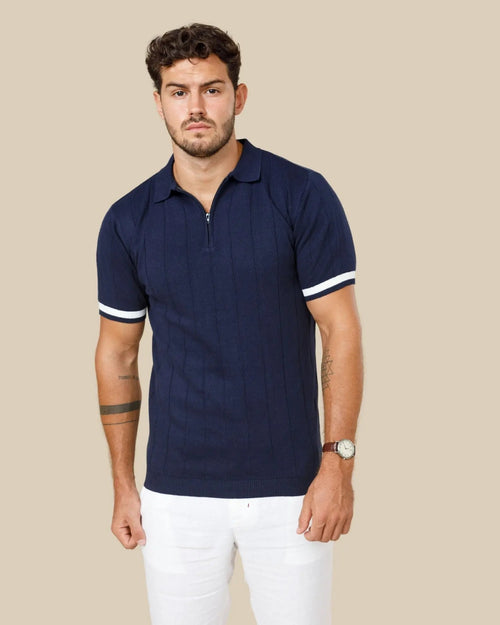
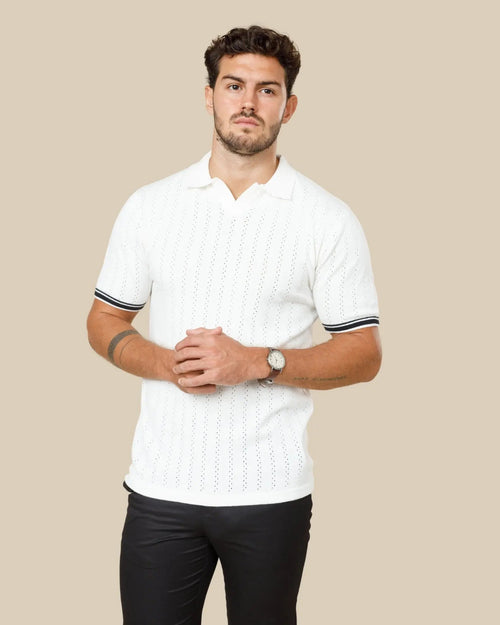
Lacoste's idea was a collared shirt that is knitted rather than woven, so it breathes and moves with you. Our men's knitted polo shirts take the same idea in a flat knit, made in Sri Lanka. If you are choosing between fabrics, start with our guide to knitted polo shirts or the cotton vs piqué comparison.
Shop the collections
- Men's knitted polo shirts
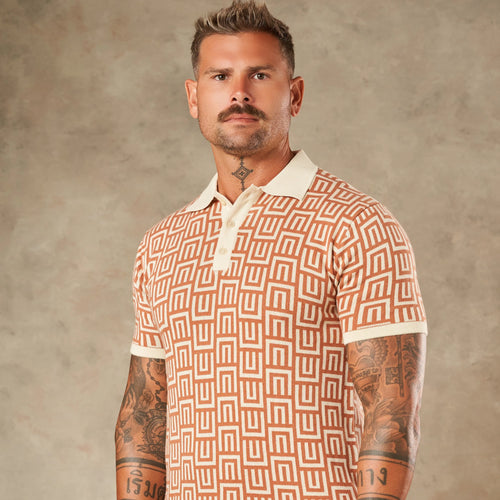
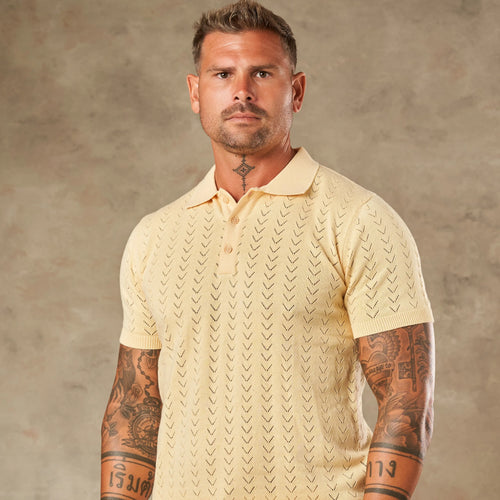
- Passport to Amalfi, knitted polos in textured and geometric patterns
- All men's polo shirts
From piqué's beginnings to today's knit polos and the wider polo collection, the story continues in our polo shirts hub.