




The Legacy Journal Cashmere sweaters
The Ultimate Knitwear Care Guide: How to Wash Knitwear & Pure Cotton Pieces
How to wash knitwear properly: cold water, mesh bags, flat drying, plus fixes for pilling, stains and shrinkage, without losing the shape.
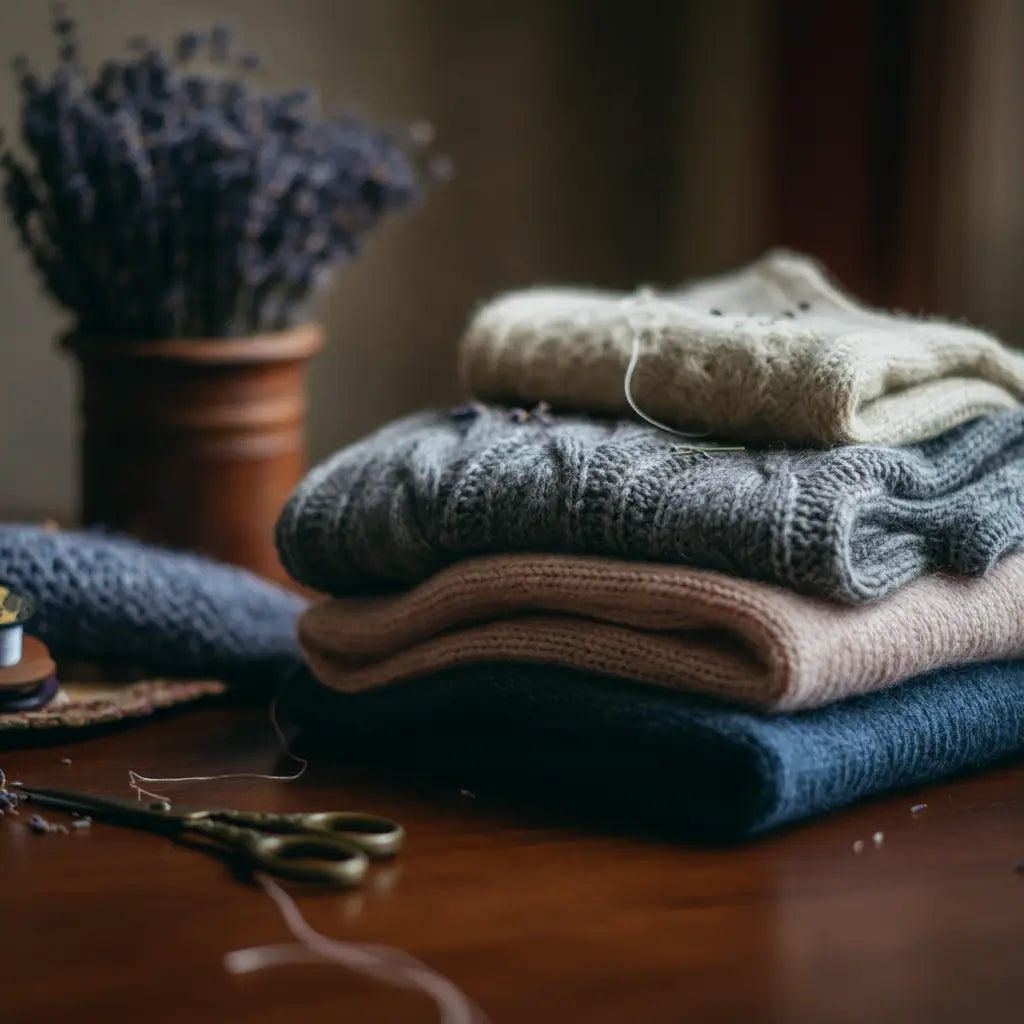
The pieces in this guide.
Knitted in Sri Lanka since 1997.


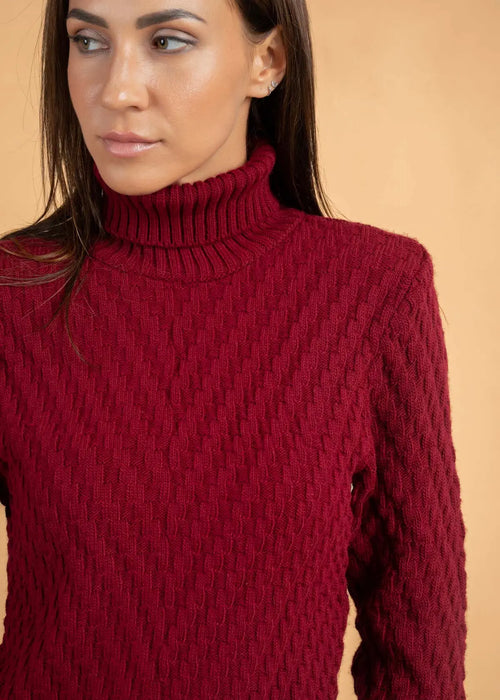
Knitwear care: the short version
Wash knitwear cold or at 30°C on a gentle cycle, inside a mesh bag, with a mild detergent and no fabric softener. Dry it flat, away from direct sun, and never on a hanger. That routine covers almost every cotton knit we make, and the sections below cover the exceptions: pilling, stains, storage and shrinkage.
Why knitwear needs its own routine
A knitted jumper or polo is built from looped yarn, not woven cloth, so it stretches and recovers differently under water and heat. Wash it like a shirt and it will grow at the neck, felt at the cuffs, or shrink out of shape. Our knits are mostly pure cotton, with a few pieces in a nylon-viscose jacquard or brushed velvet; check the care label on the piece in front of you, but the routine below is the safe default for nearly everything in the range.
Explore the full knitted jumpers and cardigans collection to see what it applies to.
Washing knitwear the right way
Turn the piece inside out and place it in a mesh laundry bag before it goes anywhere near a machine. Use cold water or a 30°C gentle cycle, a mild detergent, and skip the fabric softener, which coats the fibres and dulls the texture over time. Hand washing in lukewarm water works just as well if you would rather not risk the machine: submerge, agitate gently, and avoid wringing or twisting the fabric.
How to wash a knitted polo shirt
Same rules, one addition: close the buttons before washing so the placket keeps its line, and reshape the collar while the polo is damp. A fine-gauge knitted polo dries quickly laid flat; it does not need ironing if you smooth it out while drying. If the collar needs sharpening, use a steamer or an iron on low with a cloth between.
Drying without losing the shape
Heat and gravity are what actually ruin knitwear, not washing. After a wash:
- Lay the garment flat on a clean towel.
- Reshape it gently to its original dimensions while damp.
- Leave it away from direct sun and radiators, and never hang it while wet.
Hanging a wet knit lets its own weight stretch the shoulders and neckline, which is the single most common way a good jumper gets ruined in its first year.
Dealing with pilling
Pilling happens when loose fibres rub together and knot into small balls, and it is normal on natural and blended yarns, especially anywhere there is friction: under the arms, at the cuffs, where a bag strap sits. Remove it with a fabric shaver or a pill comb, working in short, light strokes rather than digging in. Pilling on a new piece usually settles down after the first few washes as the loose surface fibres work themselves free.
Removing stains without damage
For a fresh stain, blot rather than rub, working from the outside of the mark inward so it does not spread. Apply a small amount of diluted mild detergent directly to the area, leave it for a few minutes, then rinse with cool water and lay flat to dry. Always spot-test on a hidden seam first; some dyes react to detergent in ways you would rather discover on the inside of a cuff than the front of the garment.
Storing knitwear between seasons
Fold, never hang. Folding avoids the stretched shoulders that a hanger causes over months of storage, and it is kinder to any ribbed trims. Store folded pieces in breathable cotton bags rather than sealed plastic, which traps moisture, and add cedar blocks or a lavender sachet if moths are a concern in your wardrobe. Wash everything before it goes into storage: moths are drawn to the natural oils and residue left by wear, not to clean fabric.
Preventing shrinkage
Shrinkage is almost always a heat problem. Wash in cool or lukewarm water, keep the machine on a gentle cycle, and stay away from the tumble dryer entirely; even a low heat setting can be enough to shrink a cotton knit out of shape. If a piece has already shrunk slightly, reshaping it by hand while damp and drying it flat, pinned gently to the correct dimensions, will usually recover most of the loss.
When it is worth a professional clean
Most of our knitwear is designed to be washed at home. For anything heavily embellished, or for a piece that has picked up a stubborn or oil-based stain, a dry cleaner experienced with knitted fabrics is the safer route than repeated home attempts, which can do more damage than the original mark.
Care rituals deserve worthy garments. Explore the knitwear these rituals protect, pure cotton jumpers, knitted polos and honest guides on fabric and fit.
Frequently asked questions
Can you machine-wash cotton knitwear?
Yes, cold or at 30°C on a gentle cycle in a mesh bag. Skip the tumble dryer; heat is what shrinks and warps knits.
How often should you wash a jumper?
After three or four wears, unless it is visibly marked. Airing it overnight between wears keeps it fresh and saves the fibres.
How do you stop knitwear bobbling?
Wash inside out in a mesh bag, and remove any bobbles that form with a fabric comb or cashmere stone. Bobbling on a new knit usually settles after the first few washes.
Built to be cared for: browse our bestselling knits.